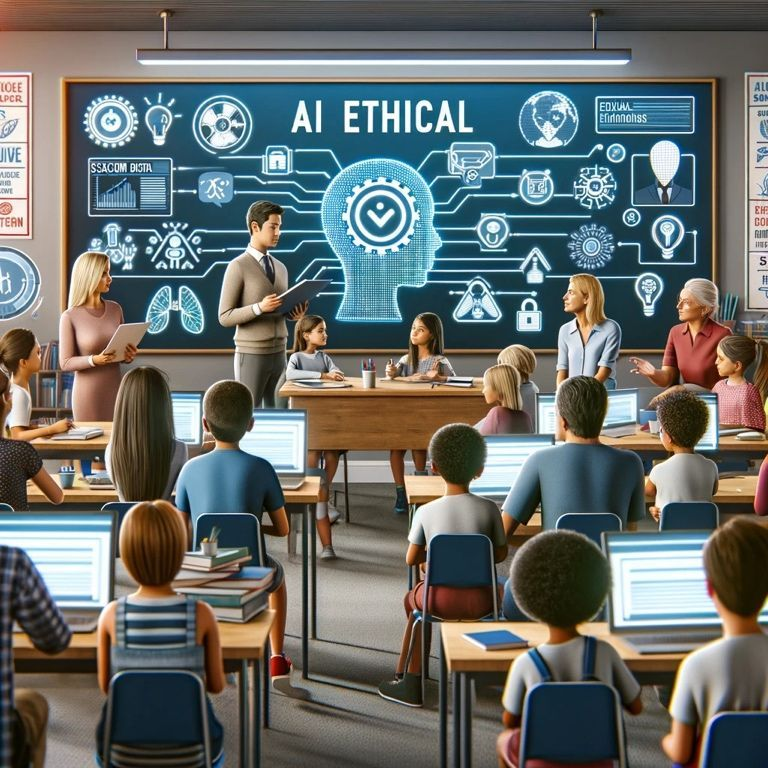
Ensuring Ethical Use of AI in Education: Practical Steps for Educational Systems


As AI technology becomes increasingly integrated into education, it is crucial to establish ethical guidelines to ensure its responsible and effective use. Here are some practical steps educational systems can follow to promote ethical AI in education:

– **Develop Clear Ethical Guidelines:**
– Establish comprehensive ethical guidelines for AI use in education.
– *Example:* Create policies that outline acceptable AI practices, data privacy standards, and accountability measures.

– **Conduct Regular Audits:**
– Implement routine audits to ensure AI systems comply with ethical standards.
– *Example:* Periodically review AI tools for bias, data security, and effectiveness, making necessary adjustments to maintain ethical integrity.

– **Educate Stakeholders:**
– Provide training and resources for teachers, students, and parents on the ethical use of AI.
– *Example:* Conduct workshops and create informational materials that explain AI’s role in education, ethical concerns, and best practices.

– **Promote Transparency:**
– Ensure AI systems and their decision-making processes are transparent.
– *Example:* Clearly communicate how AI tools work, how data is used, and the impact on student learning to build trust among all stakeholders.

– **Safeguard Student Data:**
– Implement robust data privacy measures to protect student information.
– *Example:* Use encryption and secure storage solutions for student data, and ensure data is only accessible to authorized personnel.

– **Foster Inclusive AI Development:**
– Involve diverse groups in the development and deployment of AI tools.
– *Example:* Include educators, students, and ethicists in AI development teams to ensure tools meet the needs of all users and are free from biases.

– **Encourage Informed Consent:**
– Ensure that students and parents are informed and consent to AI use in education.
– *Example:* Provide clear explanations of how AI will be used and obtain consent from parents and students before implementation.

– **Support Continuous Improvement:**
– Continuously evaluate and improve AI tools to keep pace with ethical standards.
– *Example:* Establish feedback mechanisms for users to report issues and suggestions, and regularly update AI systems based on this input.

By following these practical steps, educational systems can ensure that AI is used ethically, enhancing learning experiences while safeguarding the rights and privacy of all students.

What are your thoughts on these steps for promoting ethical AI in education?
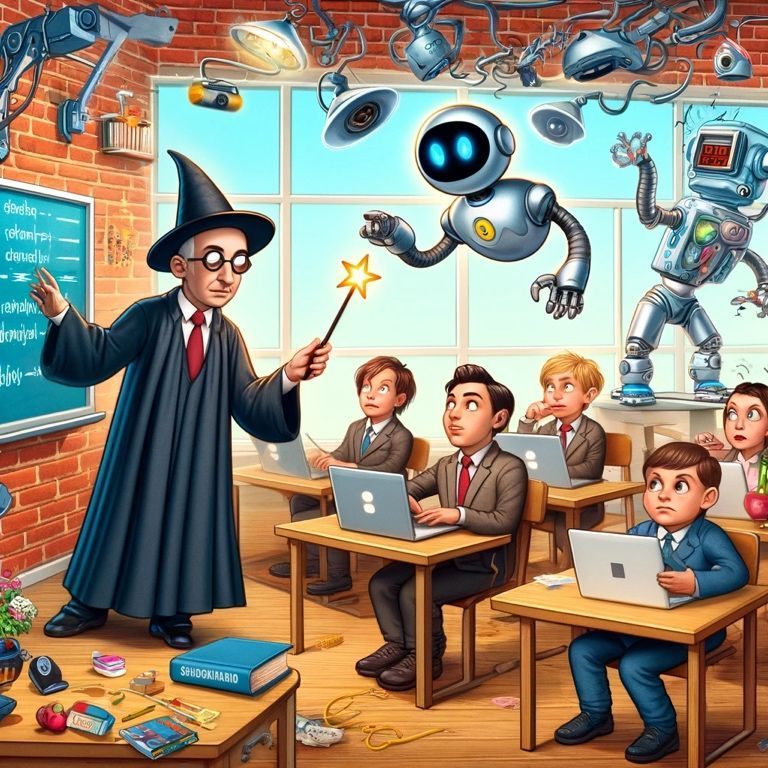
The Dark Side of AI in Education: Risks to Watch Out For


AI technology in education is like a powerful magic wand – it can do amazing things, but if we’re not careful, we might end up turning ourselves into frogs. Here are some key areas where AI could go a bit haywire:

– **Bias and Discrimination:**
– AI systems can unintentionally perpetuate biases present in their training data.
– *Example:* Imagine an AI grading system that’s learned from biased data. You might end up with the Sorting Hat from Harry Potter, but instead of houses, it’s unfairly assigning grades based on race, gender, or socioeconomic status.

– **Privacy Violations:**
– Improper handling of student data by AI tools can lead to privacy breaches.
– *Example:* If student data is mishandled, it’s like leaving your diary open in the school cafeteria – personal secrets could be exposed, leading to all sorts of drama.

– **Lack of Transparency:**
– AI algorithms often operate as “black boxes,” making it difficult to understand how decisions are made.
– *Example:* When an AI decides grades or recommendations, and nobody understands how – it’s like having a magic 8-ball determining your future. “Outlook not so good” is not the feedback we’re looking for!

– **Over-reliance on Technology:**
– Excessive dependence on AI tools can undermine the role of human educators.
– *Example:* Relying too much on AI for teaching might turn classrooms into robot-run factories, where teachers are just glorified tech support. Let’s not turn our schools into the Matrix!

– **Inadequate Oversight:**
– Without proper oversight, AI tools can be misused or malfunction, leading to unintended consequences.
– *Example:* An AI system meant to monitor student behavior could turn into Big Brother, watching your every move and making school feel more like a spy movie than a place of learning.

– **Equity Issues:**
– Unequal access to AI technology can exacerbate existing educational inequalities.
– *Example:* Schools without enough funding might miss out on AI benefits, like being stuck in a black-and-white TV world while others are enjoying the latest 4K Ultra HD.

To keep our AI magic wand from turning into a trickster’s tool, we need solid ethical guidelines, transparency, and lots of input from everyone involved. Let’s use AI to create educational experiences that are as fantastic as a ride on a Hippogriff – thrilling and fair for all!

What are your thoughts on the potential misuse of AI in education?

Authentic Teachers: Centering Learning on Students, Not Compliance

In a world where educational mandates and standards often dominate classroom priorities, authentic teachers stand out. They don’t teach to the curriculum; they teach to the learner. For them, curriculum compliance and coverage are important but secondary. Their true focus lies in meeting learners where they are and guiding them toward meaningful growth.

Authentic teachers consistently demonstrate a powerful, student-centered approach to teaching and learning. Here’s what sets them apart:

1. They Start with the Learner’s Mind

Authentic teachers invest considerable time activating and building upon students’ prior knowledge.
This is not a perfunctory warm-up exercise; rather, it’s a thoughtful process aimed at assessing students’ readiness to engage with new concepts, skills, and information. By anchoring new learning to what students already know and care about, they ensure that conceptual connections are strong and lasting.

2. They Scaffold Learning with Care and Clarity

Rather than leaving learning to chance, authentic teachers are master scaffolders. They set clear learning intentions and success criteria, often supported by real examples of performance tasks. This transparency empowers students to understand expectations, see what success looks like, and feel a sense of ownership over their learning journey.

3. They Empower Student Voice and Choice

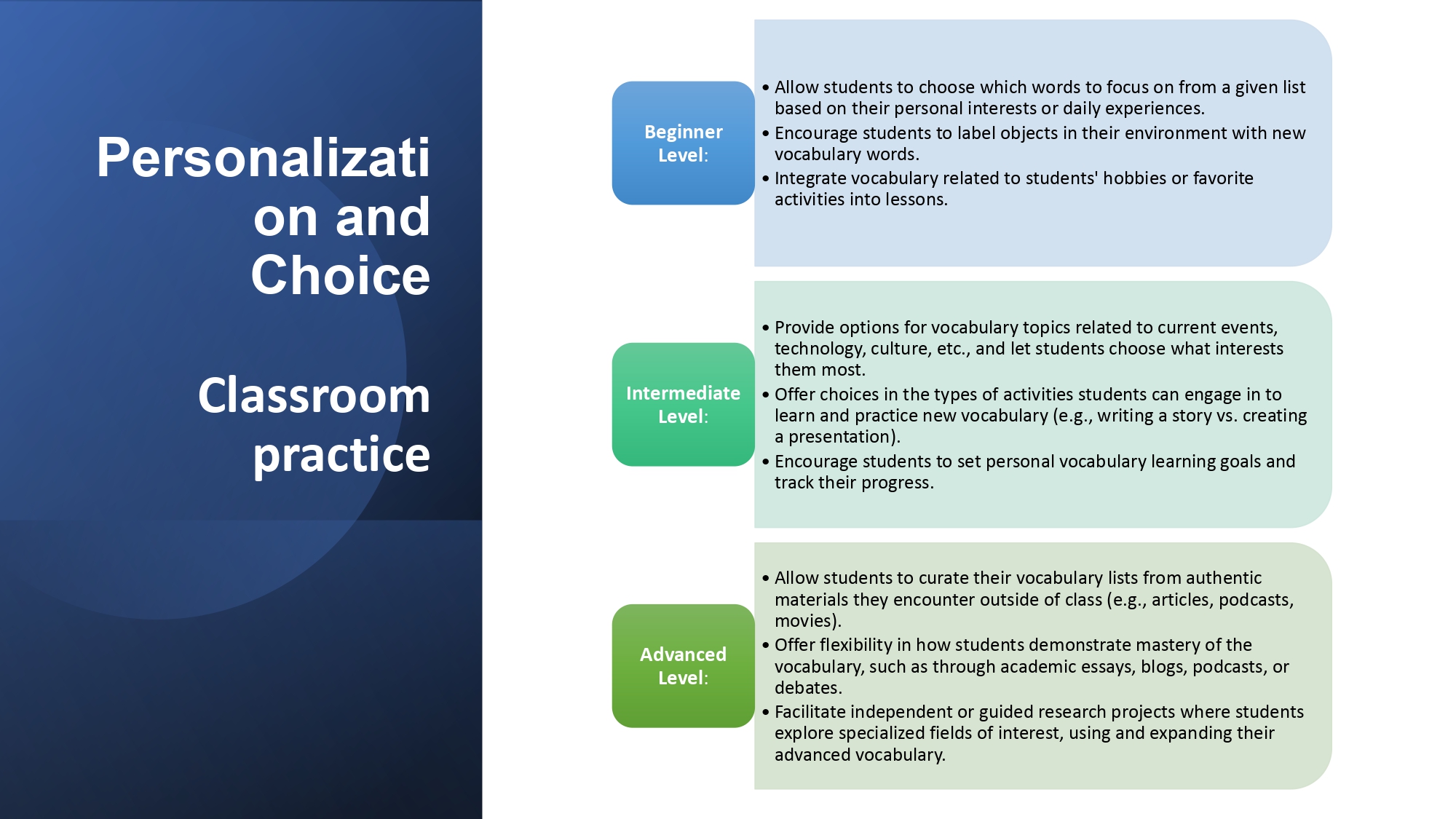
Authentic teachers recognize that learning is most powerful when students have agency. They offer meaningful choices in how students demonstrate their understanding, whether through writing, presentations, projects, or other creative forms.
Moreover, they create spaces for students to discuss the relevance of what they are learning and reflect on their progress. Students are not just passive recipients of information—they are active partners in the learning process.

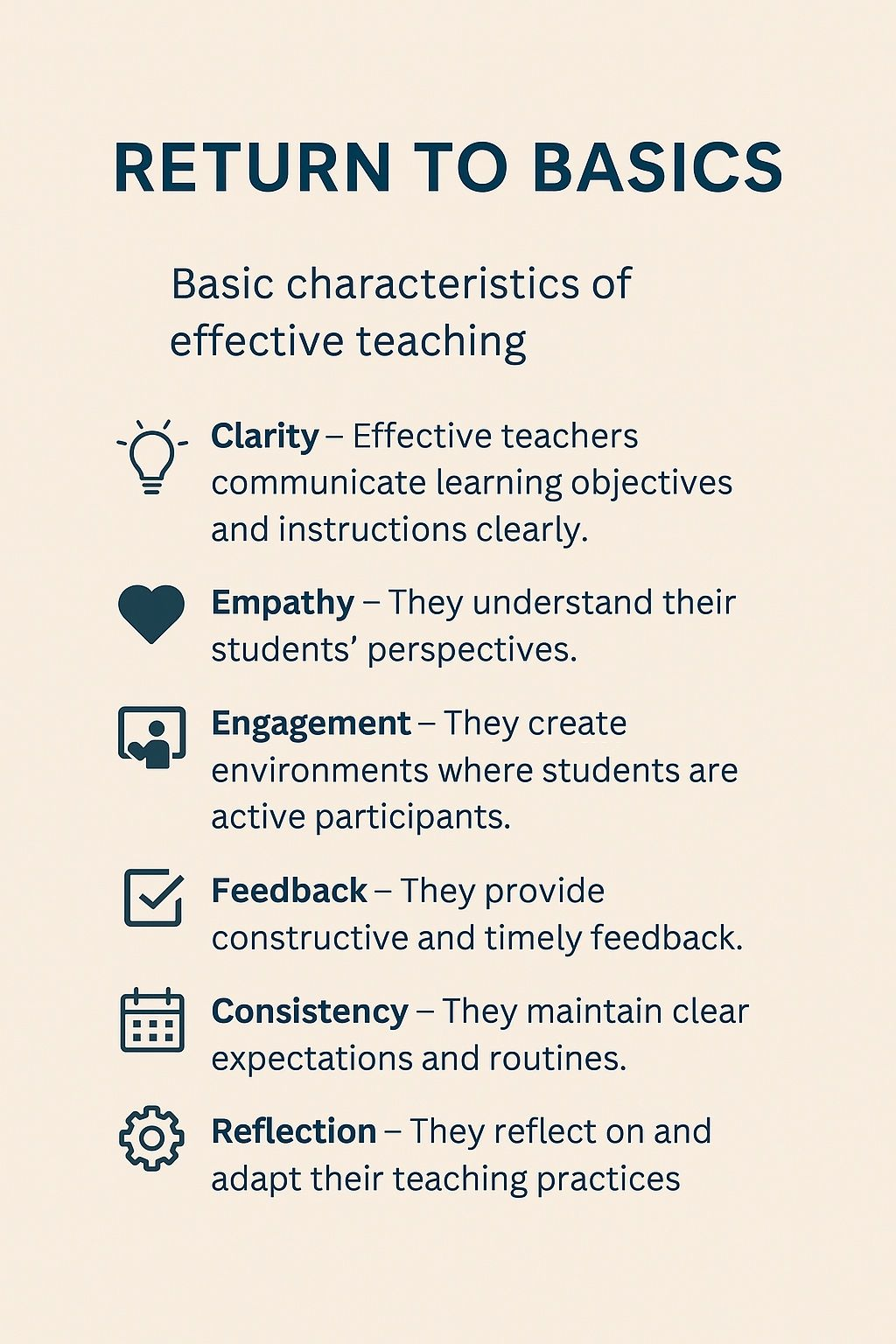
Return To Basics – Post 1: The Essentials of Effective Teaching


In an era of rapid educational trends and high-tech tools, it’s easy to lose sight of what truly matters in the classroom.

Effective teaching is not about flashy presentations or rigid curricula—it’s about connection, clarity, and consistency.

Here are a few basic, yet timeless characteristics of effective teaching:
1. Clarity – Effective teachers communicate learning objectives and instructions in simple, direct ways. Students know what they’re learning and why.
2. Empathy – They understand their students’ perspectives, adapting instruction to meet diverse needs and abilities.
3. Engagement – They create environments where students are curious, active, and emotionally invested in the learning process.
4. Feedback – They provide timely, constructive feedback that encourages growth, not fear.
5. Consistency – They maintain clear expectations and routines that foster trust and stability.
6. Reflection – Effective teachers reflect on their own practice. They ask, “What worked? What didn’t? What can I do better next time?”

As we Return to Basics, let’s remind ourselves that the most powerful teaching often starts with the simplest actions.

What other qualities do you think make teaching effective?

Authentic Teachers – Enthusiasm

According to Webster’s Dictionary, etymologically, “enthusiasm” means “inspiration or possession by a god.” Authentic Teachers are actually possessed! They are passionate about the act of teaching. This attitude impacts student learning, as enthusiastic teachers are more likely to engage their learners and instill in them a love of what they are learning.

The questions that come to mind are the following:

Is enthusiasm a prerequisite attitude that some teachers have? Or is it a skill to learn?
How does teacher enthusiasm show in practice?

Actually, some teachers are endowed with the bliss of being enthusiastic about teaching for various reasons, ranging from personal traits to a love of an academic subject or/and a love of the teaching profession.

However, teachers can learn how to be enthusiastic if they are well-coached.

Here are key features that typical enthusiastic teachers exhibit:

a. Showing personal passion in what they are teaching, fostering learners’ interest in what they are learning

b. Facilitating new concepts and ideas by exploring connections with the real world. Learners will be engaged if they see genuine value in their learning.

c. Encouraging learners to cultivate personal views on what they are learning. Learners are more likely to be on task if they feel that their opinions matter.

d. Celebrating learners’ successes. This creates an atmosphere of joy and motivation.

e. Leveraging learners’ misconceptions and errors to explore what they learn. This creates a positive mindset and an environment conducive to risk-taking and exploring alternative ways of coming to know.

d. Authentic Teachers use humor to create a relaxed environment and to explain complex concepts. Humor is magical in grabbing learners’ attention and establishing an affective rapport with them.

Educators that have impacted me

  1. Dr. Lawrence Creedon: Dr. Lawrence Creedon is an educational consultant and expert on teaching and learning. He has written extensively on instructional strategies and school leadership. https://larrycreedon.wordpress.com/
  2. Mike Schmoker: Mike Schmoker is an educational consultant and author. He has written numerous books on education and is well-known for his work on instructional strategies and school reform. http://www.mikeschmoker.com/
  3. Robert Marzano: Dr. Robert Marzano is a renowned educational researcher and consultant. He has written numerous books and articles on education, and is well-known for his work on effective teaching strategies and school leadership. https://www.marzanoresources.com/blog/
  4. Jay McTighe: Jay McTighe is an educational consultant and expert on teaching and learning. He has written extensively on instructional strategies and the use of technology in the classroom. https://jaymctighe.com/
  5. Grant Wiggins: Grant Wiggins was an educational consultant and author. He was well-known for his work on assessment and evaluation, and co-authored the book “Understanding by Design” with Jay McTighe. https://authenticeducation.org/blog/
  6. Jacqueline Grennon Brooks: Jacqueline Grennon Brooks is an educational consultant and expert on teaching and learning. She has written extensively on instructional strategies and the use of technology in the classroom. https://www.tcpress.com/jacqueline-grennon-brooks
  7. Thomas R. Guskey: Thomas R. Guskey is an educational consultant and expert on assessment and evaluation. He has written numerous books on these topics and is well-known for his work on formative assessment. https://tguskey.com/
  8. Richard DuFour: Richard DuFour was an educational consultant and author. He was well-known for his work on school leadership and professional learning communities, and co-authored several books on these topics. https://www.allthingsplc.info/mobile/blog/author/view/2
  9. Heidi Hayes Jacobs: Heidi Hayes Jacobs is an educational consultant and expert on curriculum design and technology in education. She has written numerous books on these topics and is well-known for her work on educational mapping. https://www.chalk.com/resources/webinar-post-pandemic-curriculum-mapping/
  10. Gini Rojas: Gini Rojas is an educational consultant and expert on teaching and learning. She has written extensively on instructional strategies and the use of technology in the classroom. https://sites.google.com/kis.or.kr/kispridepd/2018-19/gini-rojas
  11. Kagan Spencer: Kagan Spencer is an educational consultant and expert on cooperative learning and classroom management. He has written numerous books on these topics and is well-known for his work on Kagan Structures, a cooperative learning approach. https://spencerkagan.weebly.com/

الهمسة الأخيرة: همسات من الأبناء الى الآباء

Envelope, Letter, Paper, Magic, Hogwarts, Wizard, Love

أمي الحبيبة، أبي الغالي

أنا أحبكما لكن لا أريد أن أكون نسخة منكما أو نسخة لأحلام لم تحققوها. دعوني أرسم مستقبلي بفرشاتي وألوان شخصيتي.  علماني معنى أن يكون لحياتي معنى و أن تكون لحياتي رسالة. كونا قدوتي. دعوني أتعلم من مساركما الخاص في الحياة

أنا أشبهكما في خِلقتي وخُلقي و بعض طباعي لكن لي شخصية تميزني و لي مواهب وقدرات و أحلام خاصة بي. ساعداني على تكوين شخصيتي المستقلة وعلى استكشاف مواهبي وقدارتي. علماني كيف أكون مسؤولا عن قراراتي وأفعالي

 شاركاني فرحتي فأجمل لحظات سعادتي عندما أحس أنكما تفرحان لفرحي

 عندما أحزن أحتاج حنانكما. علماني أكيف أعتبر من حزني. ازرعا في قلبي وعقلي قيمة الصدق. علماني الصدق في القول والعمل والصحبة والمشاعر والمعاملة والتفكير. كونا قدوتي. علماني الصدق مع نفسي

أنا أحمد الله أن جعلني في حضنكما. حفظكما الله لي

علماني كيف أشكركما بالقول والعمل. علماني كيف أكون ممتنا ومعترفا بالجميل لا ناكرا له. أعلم أنكما توفران لي كل ما أحتاجه . لكن لا تحرماني من معرفة قيمة العمل. أنا أستطيع أن أساعد في القيام ببعض أعمال المنزل. أريد أن أحس بالمسؤولية. أحب أن أكون فاعلا. أليس العمل عبادة. فكما علمتماني ديني، علماني دنياي. عندما يشتد ساعدي و أصبح طالبا جامعيا أريد أن أخوض غمار عالم البالغين. أريد أن أعمل عملا صيفيا أو انخرط في عمل جمعوي. الحياة ليست سهلة وعلي أن أكون مستعدا

لم أر أرحم منكما. إذا مرضت تعهدتماني بالرعاية. إذا أخطأت صوبتما خطئي برفق. ترحماني على الدوام. حفظكما الله ووفقني الى رد جميلكما. إذا أسأت التصرف فعلماني معنى تحمل المسؤولية فذلك يجعلني أفهم خطئي. لا تمنعكما المحبة من تقويم زللي حتى أعتبر

ربيتماني على الدين القويم. دين الفطرة. غرستما في روحي ووجداني الأخلاق الفاضلة. علمتماني أن الصلاة صلة بيني وبين خالقي وأن غاية التدين التحلي بالصفات الحميدة والتخلي عن الصفات الذميمة. علمتماني أن الخلق تُترجمه الأقوال والأفعال. تعلمت منكما أن حب الوطن من الإيمان وأن من لا خير فيه لوطنه لا خير فيه لأهله و ذويه

أتذكر دائما قولكما : الوقت من ذهب. تعلمت منك يا أبي أن احترام المواعيد قيمة

تعلمت منك يا أمي أن لكل شيء وقتا. علمتماني أن الوقت رأس مال الحياة لا نضيعه في ما لا يفيد

تعلمت منكما أن الحوار استماع و فهم و تواصل. شجعتماني على أن أعبر عن ما يخالج صدري. أحس أنكما صديقان قريبان مني لا تفرضان علي آرائكما بل توجهاني بكل رفق إلى اتخاذ القرار الصائب

أريد أن أعيش في أسرة سعيدة. احرصا على أن يسود بينما جو التضامن والمحبة و التراحم و الاحترام المتبادل. أعلم أنكما تطمحان أن أكون متزنا نفسيا. أبعداني عن جو التوتر والعصبية و الغضب. شاركاني لحظات الفرح والسرور

.اعلما أنكما قدوتي في كل شي. أحبكما دائما