This thought-provoking question was asked by @Vincent Valentine in response to my previous post. It’s a question that deserves deep reflection and discussion.
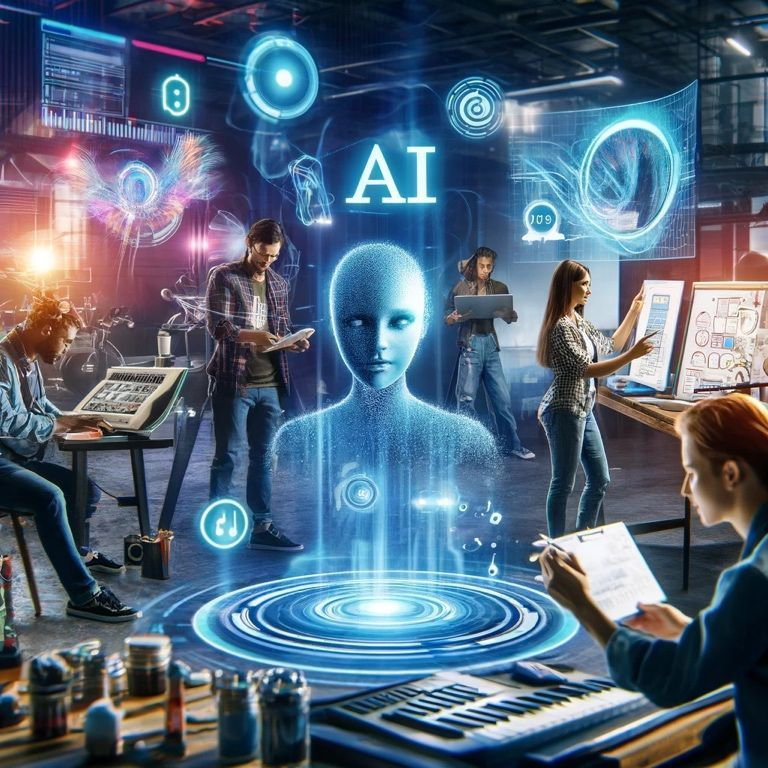
– **Inspiration through Analysis:** – AI can analyze vast amounts of data to uncover patterns and connections. – *Example:* A writer uses AI to identify emerging themes in literature, sparking new story ideas.
– **Novel Combinations of Ideas:** – AI can suggest innovative combinations of concepts. – *Example:* A musician collaborates with AI to blend genres in unique ways, creating fresh, new sounds.
– **Expanding Perspectives:** – AI offers new viewpoints, challenging creators to think differently. – *Example:* An artist uses AI-generated art as a springboard for their own creations, exploring styles they hadn’t considered.
– **Enhanced Collaboration:** – AI acts as a creative partner, pushing the boundaries of possibility. – *Example:* A designer works with AI to generate multiple design prototypes quickly, allowing more time for refinement and creativity.
What are your thoughts on AI’s role in fostering creativity?
In the evolving landscape of education, AI has the potential to significantly enhance students’ critical thinking skills. Here are some practical ways AI can contribute to developing this essential ability:
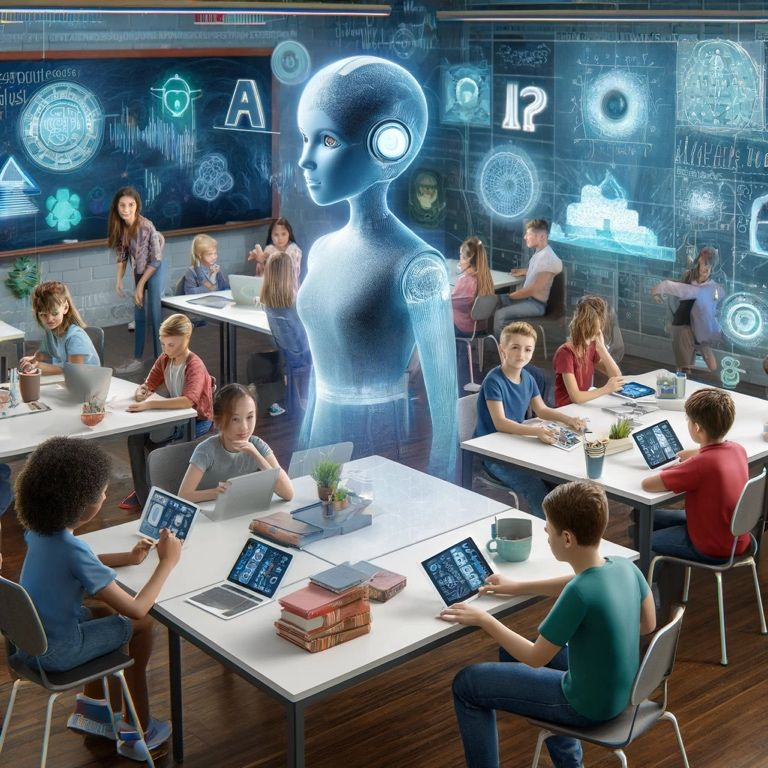
– **Personalized Learning Paths:** – AI can tailor educational experiences to challenge students appropriately. – *Example:* Adaptive learning platforms adjust the complexity of tasks based on individual performance, encouraging students to think critically and solve problems at their own pace.
– **Interactive Problem-Solving:** – AI can create engaging scenarios that require students to apply critical thinking. – *Example:* AI-driven simulations and games present real-world problems that students must analyze and solve, fostering a deeper understanding of the subject matter.
– **Instant Feedback:** – AI provides immediate insights into student performance, helping them refine their thinking process. – *Example:* AI-powered assessment tools give real-time feedback on assignments, enabling students to reflect on their mistakes and improve their reasoning skills.
– **Diverse Perspectives:** – AI can introduce students to a wide range of viewpoints and information sources. – *Example:* AI-curated content that includes diverse perspectives on a topic, encouraging students to critically evaluate different viewpoints and form well-rounded opinions.
– **Enhanced Research Skills:** – AI can assist students in gathering and analyzing data efficiently. – *Example:* AI research tools help students find relevant information quickly, teaching them how to discern credible sources and synthesize information effectively.
– **Critical Thinking Exercises:** – AI can design and deliver exercises specifically aimed at developing critical thinking. – *Example:* AI-powered platforms that offer puzzles, logic games, and complex problem sets designed to enhance students’ analytical and reasoning abilities.
By integrating AI into the learning process, educators can provide students with the tools they need to develop strong critical thinking skills, preparing them for the challenges of the future.
What are your thoughts on AI’s role in enhancing critical thinking in education?
As AI technology becomes increasingly integrated into education, it is crucial to establish ethical guidelines to ensure its responsible and effective use. Here are some practical steps educational systems can follow to promote ethical AI in education:
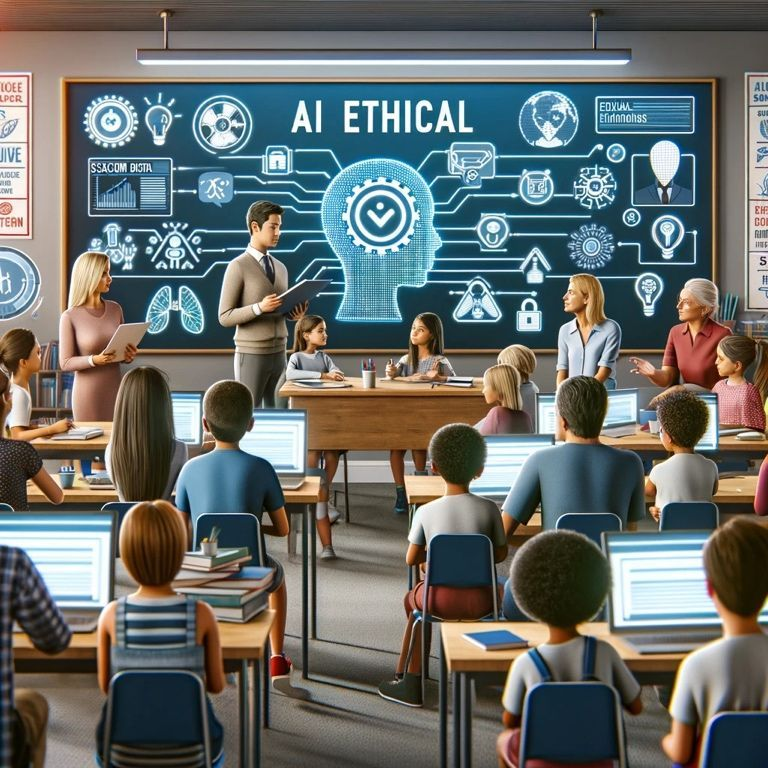
– **Develop Clear Ethical Guidelines:** – Establish comprehensive ethical guidelines for AI use in education. – *Example:* Create policies that outline acceptable AI practices, data privacy standards, and accountability measures.
– **Conduct Regular Audits:** – Implement routine audits to ensure AI systems comply with ethical standards. – *Example:* Periodically review AI tools for bias, data security, and effectiveness, making necessary adjustments to maintain ethical integrity.
– **Educate Stakeholders:** – Provide training and resources for teachers, students, and parents on the ethical use of AI. – *Example:* Conduct workshops and create informational materials that explain AI’s role in education, ethical concerns, and best practices.
– **Promote Transparency:** – Ensure AI systems and their decision-making processes are transparent. – *Example:* Clearly communicate how AI tools work, how data is used, and the impact on student learning to build trust among all stakeholders.
– **Safeguard Student Data:** – Implement robust data privacy measures to protect student information. – *Example:* Use encryption and secure storage solutions for student data, and ensure data is only accessible to authorized personnel.
– **Foster Inclusive AI Development:** – Involve diverse groups in the development and deployment of AI tools. – *Example:* Include educators, students, and ethicists in AI development teams to ensure tools meet the needs of all users and are free from biases.
– **Encourage Informed Consent:** – Ensure that students and parents are informed and consent to AI use in education. – *Example:* Provide clear explanations of how AI will be used and obtain consent from parents and students before implementation.
– **Support Continuous Improvement:** – Continuously evaluate and improve AI tools to keep pace with ethical standards. – *Example:* Establish feedback mechanisms for users to report issues and suggestions, and regularly update AI systems based on this input.
By following these practical steps, educational systems can ensure that AI is used ethically, enhancing learning experiences while safeguarding the rights and privacy of all students.
What are your thoughts on these steps for promoting ethical AI in education?
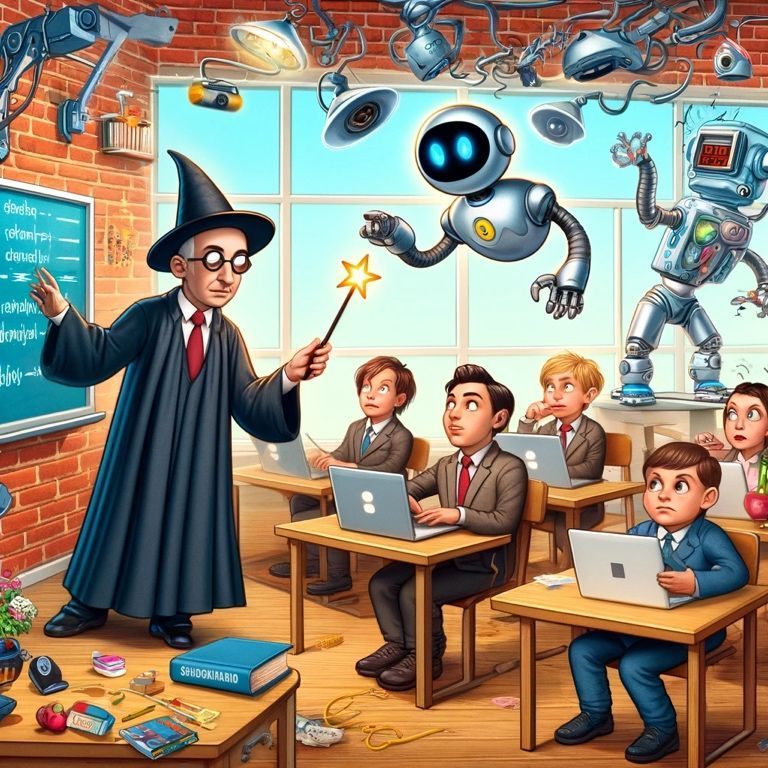
AI technology in education is like a powerful magic wand – it can do amazing things, but if we’re not careful, we might end up turning ourselves into frogs. Here are some key areas where AI could go a bit haywire:
– **Bias and Discrimination:** – AI systems can unintentionally perpetuate biases present in their training data. – *Example:* Imagine an AI grading system that’s learned from biased data. You might end up with the Sorting Hat from Harry Potter, but instead of houses, it’s unfairly assigning grades based on race, gender, or socioeconomic status.
– **Privacy Violations:** – Improper handling of student data by AI tools can lead to privacy breaches. – *Example:* If student data is mishandled, it’s like leaving your diary open in the school cafeteria – personal secrets could be exposed, leading to all sorts of drama.
– **Lack of Transparency:** – AI algorithms often operate as “black boxes,” making it difficult to understand how decisions are made. – *Example:* When an AI decides grades or recommendations, and nobody understands how – it’s like having a magic 8-ball determining your future. “Outlook not so good” is not the feedback we’re looking for!
– **Over-reliance on Technology:** – Excessive dependence on AI tools can undermine the role of human educators. – *Example:* Relying too much on AI for teaching might turn classrooms into robot-run factories, where teachers are just glorified tech support. Let’s not turn our schools into the Matrix!
– **Inadequate Oversight:** – Without proper oversight, AI tools can be misused or malfunction, leading to unintended consequences. – *Example:* An AI system meant to monitor student behavior could turn into Big Brother, watching your every move and making school feel more like a spy movie than a place of learning.
– **Equity Issues:** – Unequal access to AI technology can exacerbate existing educational inequalities. – *Example:* Schools without enough funding might miss out on AI benefits, like being stuck in a black-and-white TV world while others are enjoying the latest 4K Ultra HD.
To keep our AI magic wand from turning into a trickster’s tool, we need solid ethical guidelines, transparency, and lots of input from everyone involved. Let’s use AI to create educational experiences that are as fantastic as a ride on a Hippogriff – thrilling and fair for all!
What are your thoughts on the potential misuse of AI in education?
 Abderrazak Behhar